-
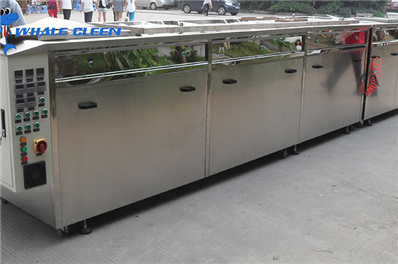 Ultrasonic Cleaning of Metal Electrodes: Enhancing Conductivity and Welding Efficiency
In modern industrial processes, the cleaning of metal electrodes plays a pivotal role in ensuring optimal performance and efficiency. Metal electrodes, widely used in various manufacturing applications, are prone to surface contamination and the accumulat
-
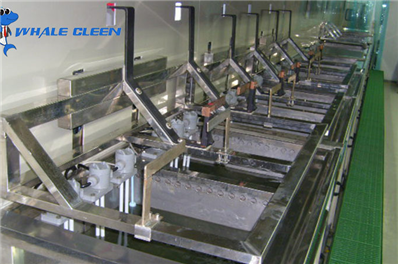 Ultrasonic Cleaning Machine: Maintaining Conductivity and Stability of Metal Cable Wires
Cleaning metal cable wires: Ultrasonic cleaning machine for cleaning the surface and connectors of metal cable wires, removing dirt and oxidation, and maintaining conductivity and stability. Cleaning metal cable wires is crucial for maintaining their c
-
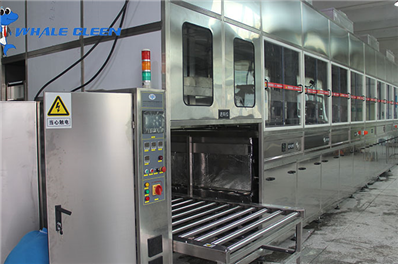 Enhancing Electronics Reliability: Ultrasonic Cleaning for Oxidation Layer Removal
Electronic circuit boards play a crucial role in modern electronic devices, and their proper functioning relies heavily on the integrity of their surfaces. Over time, these surfaces are susceptible to oxidation, which can significantly impede conductivity
-
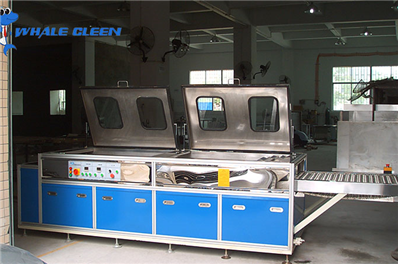 Application and Considerations of Ultrasonic Cleaning Machines in Cleaning Metal Wires and Cables
Cleaning metal wires and cables is an important process for ensuring their electrical conductivity and safety performance. However, the surface of metal wires and cables often becomes contaminated with grease and dirt, which can have a negative impact on
-
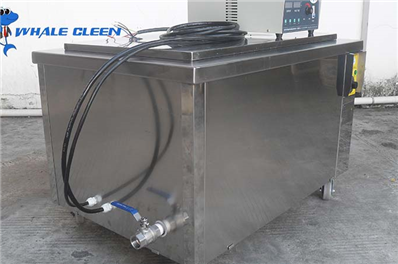 Ultrasonic Cleaning of Copper Products: Benefits and Applications
Copper products are widely used in daily life and industry due to their excellent electrical conductivity, thermal conductivity, and corrosion resistance. However, the surface of copper products is prone to oxidation and contamination, which affects their
-
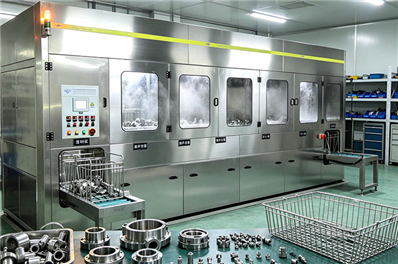 Industrial Ultrasonic Cleaning Machine: The Complete Solution for Manufacturing Precision Parts
In modern manufacturing, surface cleanliness is not merely an aesthetic consideration—it is a critical factor that directly impacts product performance, coating adhesion, and overall production yield. From automotive engine components and transmission par
-
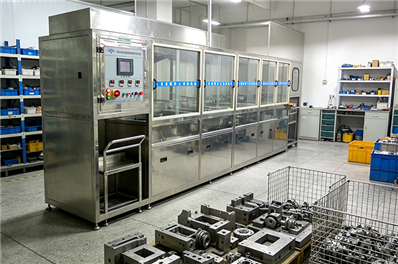 One Ultrasonic Machine, Three Critical Cleaning Tasks – Can It Really Handle Silicon Material, Solar Cells, and Terminal Blocks in One Go?
In photovoltaic manufacturing, semiconductor fabrication, and electronic component production, cleaning is never a single-step affair. Different materials, different contaminants, and different surface sensitivities demand different approaches – or so the
-
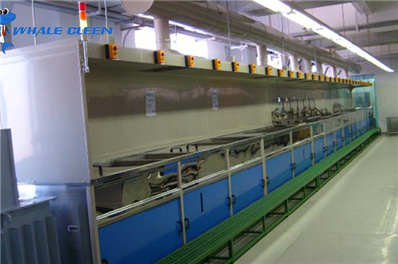 Why Has the Ultrasonic Cleaner's Sound Become Quieter? In-Depth Analysis and Restoration Guide
Anultrasonic cleanertypically emits a consistent humming sound during operation, which indicates normalultrasonic energytransmission. When this sound becomes noticeably quieter or disappears entirely, it often signals an underlying issue. Areduced soundno
-
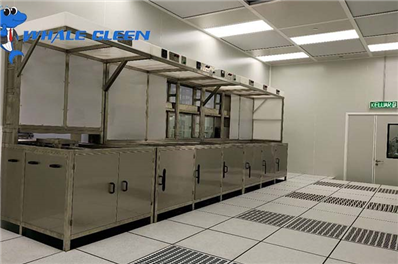 What Adhesive is Used for Ultrasonic Cleaner Transducers? The Complete Bonding Guide
Ultrasonic cleaner transducers (also called piezoelectric vibrators or "振子" in Chinese) require specialized adhesives to ensure optimal performance an……
-
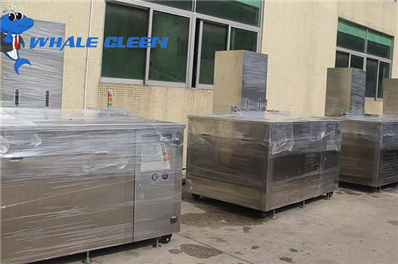 How to Prevent Rust After Ultrasonic Cleaning: 5 Scientifically Proven Protection Methods
Proper rust prevention after ultrasonic cleaning is crucial for metal parts longevity. This guide covers industrial-grade passivation techniques, eco-friendly sealants, and cutting-edge nano-coatings to create durable anti-corrosion barriers while maintai
-
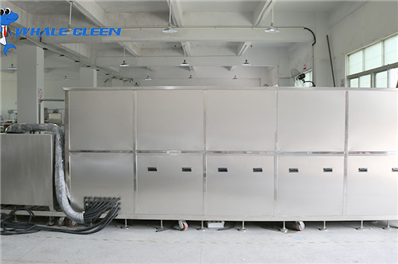 Does an Ultrasonic Cleaner Contain Copper? An In-Depth Examination
Ultrasonic cleaning is a widely adopted technology across various industries, including manufacturing, healthcare, electronics, and jewelry. The fundamental process involves high-frequency sound waves creating microscopic bubbles in a cleaning solution. T
-
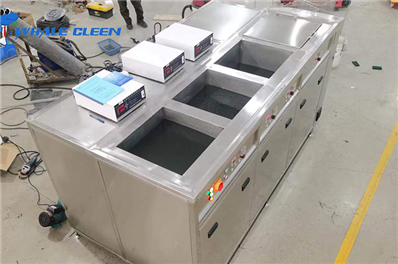 Ultrasonic Cleaning Machines: What Can They Clean and How Do They Work?
Ultrasonic cleaning is a technology widely used across multiple industries to clean delicate, complex, or large objects effectively and without damaging them. The process employs high-frequency sound waves, typically ranging from 20 kHz to several MHz, to